

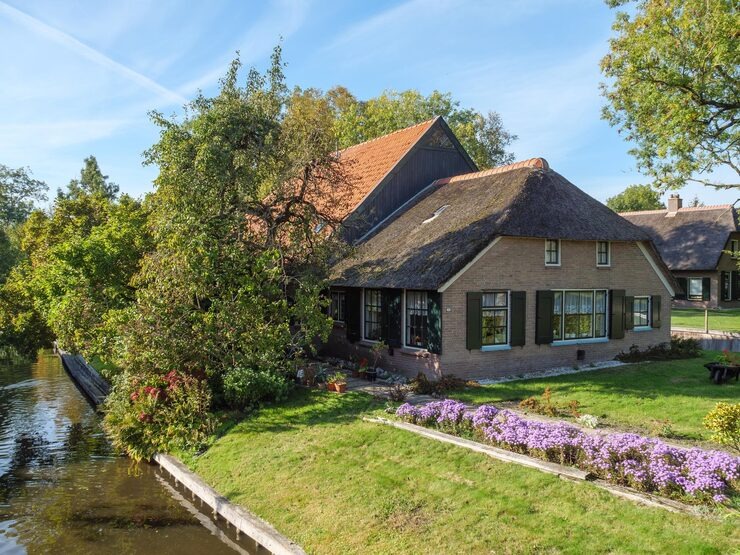
The Peak District’s stone cottages are some of Britain’s most treasured buildings, places where flagstone floors, oak beams and winding staircases tell stories that stretch back generations. Restoring one is often a labour of love, whether you’ve just taken ownership or you’re preparing a long-held family home for holiday guests.
But beneath the charm of these character properties lie materials and construction methods from eras with very different standards. Many hazards remain invisible until a renovation begins, and even well-intentioned improvements can unintentionally create problems. Safe restoration isn’t just about compliance; it’s about respecting the building, protecting the people who work in it, and ensuring future guests can enjoy it worry-free.
This guide walks you through the hidden risks that cottage owners should understand and how to manage them without losing an ounce of character.
Older Cottages Need a Safety-First Mindset
Most Peak District cottages pre-date modern building regulations by centuries. Some are listed, others simply built in traditional ways that behave differently from modern homes. Thick stone walls breathe, timber moves with the seasons, and insulation may have been added (or forgotten) in haphazard stages over decades.
While this makes them wonderfully unique, it also means:
- Potentially hazardous materials may still be present.
- Modern upgrades can clash with historic fabric if done carelessly.
- Issues like damp or rot may be concealed behind otherwise “solid-looking” walls.
- Renovation work may disturb materials that were previously harmless because they remained untouched.
Understanding what’s inside the building before starting work is the key to safe, sympathetic restoration.
1. Asbestos: The Hidden Risk Most Likely to Surprise Owners
Even though asbestos was banned in the UK in 1999, it remains one of the most common hidden risks in pre-2000 properties, and cottages are no exception.
You’ll often find asbestos in places homeowners don’t expect, including:
- Artex or textured ceilings
- Soffits and roof felt
- Boiler flues and old heating systems
- Loft insulation boards
- Vinyl floor tiles and bitumen glue
- Under-stair panels or cupboard linings
Crucially, asbestos becomes dangerous when disturbed. Many cottage owners only discover it when beginning restoration like scraping a ceiling, removing a cupboard, or lifting flooring.
As one industry expert explains:
“Although asbestos was banned in the UK more than two decades ago, the risks are far from over,” says a spokesperson for Advance Asbestos Removal. “We regularly find asbestos in homes and cottages built before 2000. The danger is that it often goes unnoticed until renovations disturb it, that’s when fibres can be released and pose health risks.”
According to WHO, globally, more than 200,000 deaths are estimated to be caused by occupational exposure to asbestos, i.e. more than 70% of all deaths from work-related cancers
For landlords or holiday-let owners, the responsibility is even clearer: you must ensure a property is safe for guests and for anyone carrying out maintenance.
Here’s a step by step on what to do:
- Step 1: Pause any scraping, sanding, or demolition
- Step 2: Book a refurbishment and demolition asbestos survey
- Step 3: Share the survey with every trade before work starts
- Step 4: Use a licensed contractor for removal where required
- Step 5: Keep copies of all survey and removal paperwork with cottage documents
Handled correctly, asbestos doesn’t have to derail your renovation, but ignoring it can create risks no owner wants.
2. Lead Pipes, Paint and Glazes: Lingering Legacy Materials
Another quiet hazard in older UK properties is lead! That’s still present in many pre-1970s cottages.
Common sources include:
- Original lead water pipes (especially incoming mains)
- Doors, skirting boards and windows with multiple layers of lead-based paint
- Some historic glazes and ceramics
For holiday lets hosting families with babies or young children, accidental ingestion of lead dust especially from flaking paint is an avoidable risk.
Quick checklist:
- Ask the water supplier if the supply area still has lead service pipes
- Look for dull grey pipes that mark easily when scraped with a coin
- Avoid dry sanding old paint layers until testing confirms safety
These upgrades can be done discreetly, leaving visible character untouched.
3. Damp, Mould and Rot: The Quiet Destroyers of Heritage Homes
Thick stone walls are beautiful, but they behave nothing like modern insulated cavity walls. When moisture gets trapped. often due to well-meaning modern upgrades, problems escalate quickly.
Common causes in the Peak District include:
- Cement-based renders and paints that stop walls breathing
- Double glazing without adequate ventilation
- Blocked chimneys and unventilated roof spaces
- Rising damp in old stone floors
- Previous “quick fixes” like injected damp-proof courses that don’t suit historic fabric
Left untreated, damp leads to mould, timber decay, and long-term structural issues.
What to do:
- Identify the moisture source before attempting any treatment.
- Choose breathable materials, such as lime plaster or mineral paints.
- Restore natural ventilation through chimneys, vents and modest airflow.
- Treat timber rot promptly to prevent spread.
Managing damp sympathetically often enhances the cottage’s authenticity by allowing original materials to do what they were designed to do.
4. Outdated Electrics & Fire Safety Concerns
Many character cottages still rely on wiring installed decades ago. While functional, it may not meet modern safety standards, especially if the property is used as a holiday let.
According to the Gov.uk’s updated regulations, it’s required that landlords have the electrics in their rented properties checked at least every five years by a properly qualified person.
Key risks include:
- Cotton-insulated wiring
- Old fuse boxes instead of consumer units
- DIY modifications from previous owners
- Overloaded circuits from added appliances
- Missing smoke or carbon-monoxide alarms
- Timber beams and old floor voids that allow fire to spread quickly
What to do:
- Arrange an Electrical Installation Condition Report (EICR).
- Rewire before redecorating! It’s less disruptive and protects finished surfaces.
- Install hardwired smoke alarms and CO detectors as required for guest accommodation.
- Ensure solid-fuel stoves have correct clearances and ventilation.
These upgrades can all be achieved with a light touch, keeping the visual charm intact.
5. Structural Movement in Stone and Timber
Character cottages move, sometimes subtly, sometimes significantly. Slightly sloping floors or uneven door frames are often harmless, but some signs hint at deeper problems:
- Cracks that run through stone or mortar
- Bulging walls or bowed timber beams
- Floors that bounce or sink
- Sudden changes in alignment
This movement may be due to age, ground conditions, previous alterations, or moisture.
What to do:
- If in doubt, get a structural engineer experienced in heritage buildings.
- Use traditional materials (like lime mortar) to allow natural movement.
- Avoid rigid modern substitutes that trap moisture or add pressure.
Understanding a cottage’s “natural imperfections” is part of respecting its history, but ensuring they aren’t warning signs is essential.
Work With the Right Specialists
Restoring a heritage cottage isn’t like renovating a suburban semi. You’ll benefit from:
- Builders who understand traditional materials
- Electricians and plumbers used to older layouts
- Asbestos, damp and timber specialists
- Conservation officers if the property is listed
Always ask tradespeople about their experience with older buildings. The right team will protect both safety and character.